20,000 Microducks Pre-ordered After Nvidia CEO Demo
The acquisition of Pollen Robotics has positioned the Microduck as a potential market leader for holiday 2026, driven by viral marketing and open-source accessibility.
By Yasmin Farouk ·
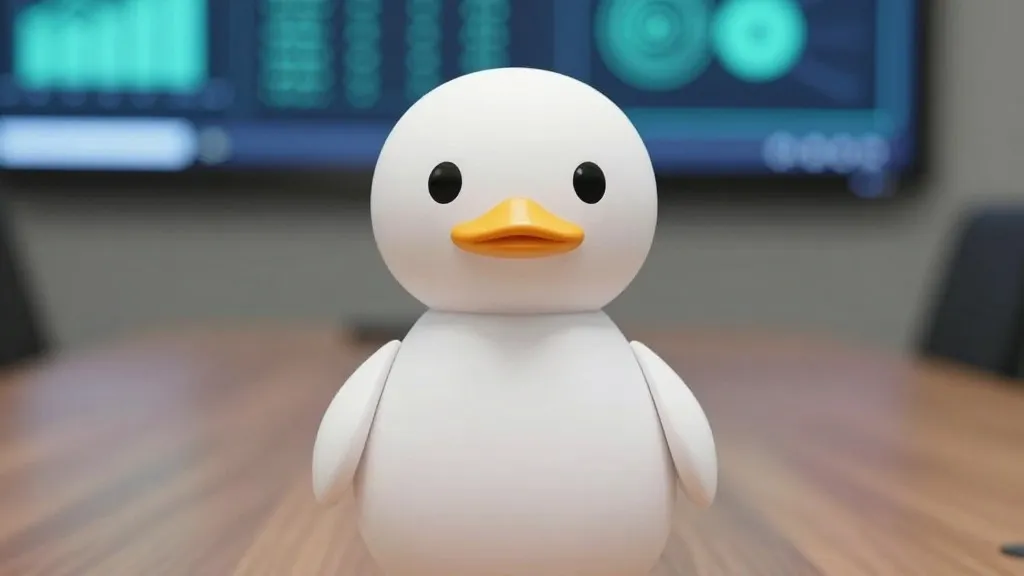
Preorders for the Microduck robot surged past 20,000 units within 24 hours of a high-profile demonstration at the GTC Berlin conference, signaling strong consumer demand for the device ahead of the holiday season. The rapid uptake was confirmed by Clem Delangue of Hugging Face, who noted the volume on social media platforms following the keynote. This sales velocity suggests the product is well-positioned to become a significant revenue driver for its parent company during the critical fourth-quarter period.
The surge in interest was triggered by a viral video featuring Nvidia CEO Jensen Huang interacting with a group of the robots. During the demonstration, the devices performed synchronized movements, including walking, sitting, and executing summersaults on voice commands. The units also exhibited programmed behaviors such as falling over to simulate napping and emitting sound effects reminiscent of the droid R2-D2 from the Star Wars franchise. The visual appeal and interactive nature of the demo appear to have converted casual viewers into buyers at a rate typical of top-tier holiday toys.
From a corporate structure perspective, the Microduck is a product of Pollen Robotics, a firm acquired by Hugging Face in 2025. Following Nvidia’s acquisition of Hugging Face in September of this year, the device is now effectively an asset within the Nvidia portfolio. This is Hugging Face’s second robotics offering, following the release of the Reachy Mini. The integration places the Microduck under the umbrella of the GPU giant’s broader ecosystem, potentially linking it to wider distribution and technology support networks.
The device operates on an open-source model, a strategic choice intended to foster community engagement and longevity. The robots were trained using Nvidia’s proprietary technology stack, where simulations taught the units basic motor skills such as walking, standing, and sitting before they were shipped to consumers. Pollen Robotics indicates that owners can further train their units with custom tricks and share these new behaviors with the broader user base. This modularity allows the product to evolve post-purchase, adding value beyond its initial retail price.
Delangue has suggested that the Microduck may become the best-selling robot of the year, noting that promotional materials have targeted adult consumers as much as children. The marketing strategy highlights the device as a novelty item for general audiences rather than strictly a children’s toy. With deliveries scheduled to arrive in time for Christmas, the company aims to capitalize on the peak gift-buying window. The timing aligns with a market that is currently seeking lighthearted technology products following a week dominated by serious concerns regarding AI-driven cyberattacks.
The success of the Microduck demonstrates that consumer robotics can achieve mass-market penetration when paired with strong brand visibility and accessible pricing. The viral nature of the CEO’s demonstration served as a cost-effective marketing tool, generating organic interest that translated directly into preorders. As the industry continues to navigate complex regulatory and security landscapes, the Microduck represents a distinct commercial success story, proving that engaging user experiences can drive significant unit sales in the hardware sector.
Source: TechCrunch